
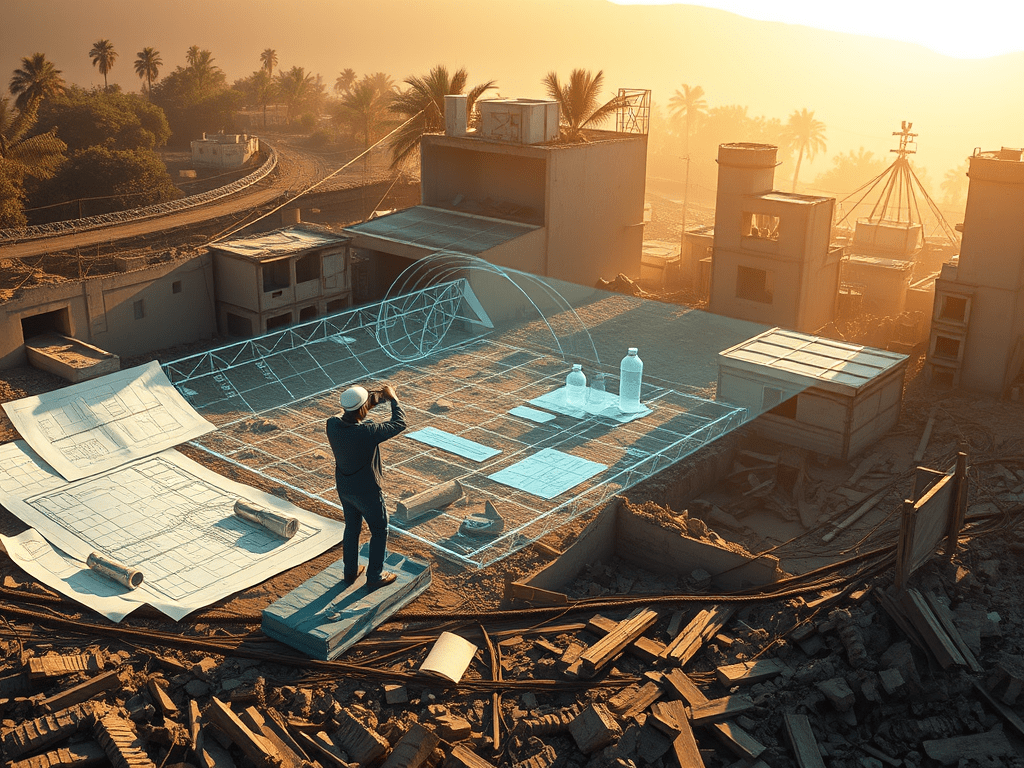
Part 4: The Blueprint for Liberation
Now that we see the architects of control for what they are, the next step is clear: dismantling their influence and reclaiming the power that has always belonged to the people. But liberation does not come through rebellion alone—history has shown that revolutions without a plan often replace one form of oppression with another.
True liberation requires strategy, awareness, and discipline.
Step 1: Reclaiming the Mind
The first battle is internal. A controlled mind is the most powerful tool of oppression, and liberation begins with breaking free from programmed narratives.
- Think Critically – Question everything, especially what you have been conditioned to accept as truth. Who benefits from the narrative being pushed? Who is funding the research? What alternative perspectives exist?
- Decentralize Information – Stop relying on mainstream media to dictate reality. Seek out diverse sources, study history, and listen to those silenced by the establishment.
- Resist Emotional Manipulation – Fear, outrage, and tribalism are weapons used to control behavior. The more emotionally reactive a society is, the easier it is to manipulate. Stay centered. Stay rational.
Step 2: Economic Independence
The financial system is the leash that keeps people obedient. Breaking free from it requires a shift in how we engage with money, work, and trade.
- Reduce Dependence on Debt – Debt is the ultimate form of control. Whenever possible, avoid unnecessary loans, minimize credit reliance, and prioritize ownership over leasing.
- Support Local Economies – Every dollar spent with small businesses weakens corporate monopolies. Shift away from conglomerates that fund the very institutions restricting freedom.
- Invest in Self-Sufficiency – Skills like farming, trade work, and community building are more valuable than digital wealth. The more independent you are, the less vulnerable you become to systemic disruptions.
Step 3: Rebuilding Community Power
The architects of control thrive on division. The solution is the reconstruction of local communities—not as weak extensions of centralized power, but as independent, self-sustaining networks.
- Take Back Governance – Local politics matter more than federal. School boards, city councils, and state governments dictate much of daily life. Get involved. Demand transparency and accountability.
- Build Alternative Systems – If public education is broken, create private or homeschooling co-ops. If healthcare is corrupt, support alternative medicine and direct-care models. Create what they refuse to provide.
- Strengthen Local Trade and Resource Networks – A community that can provide for itself is a community that cannot be controlled. The goal is not isolation, but interdependence without reliance on centralized authorities.
Step 4: The Power of Parallel Institutions
We don’t need to destroy the current system to render it obsolete. Instead, we must build alternatives so effective that people naturally transition toward them.
- Media & Communication – Decentralized, censorship-resistant platforms are already emerging. The more people shift away from mainstream news, the less control it has over perception.
- Education & Knowledge – Future generations should be taught how to think, not what to think. Alternative schooling, apprenticeship programs, and knowledge-sharing networks will replace indoctrination with true learning.
- Currency & Trade – Cryptocurrencies, decentralized finance, and barter systems threaten centralized banking. The goal is not just wealth, but financial autonomy.
Step 5: The Unshakable Will
No plan works without resolve. Those in power will resist, using every tactic—economic pressure, social shame, fear-mongering—to keep control intact.
Liberation is not an event. It is a process. And it begins the moment people stop asking for permission to be free.
The system has lasted this long because people believed they had no alternative.
Now they do.
Previous: The Architects of Control
Next: The Resistance Is Already Here – NEW




 The Metaphorical
Leave a reply to The Architects of Control – The Metaphorical Cancel reply